How to Start a Hostel: A Practical, Honest Guide
What it actually takes to open a hostel, the building, the budget, the paperwork, and the first guests, from the angle that tells you the unglamorous parts too.
Published: 28 June 2026, updated 6 October 2026 - 13-minute read
Here's the honest short version: starting a hostel is part real-estate deal, part renovation project, and part people business, and that third part is the one that makes or breaks you. You can get the building and the beds exactly right and still sink if you don't actually enjoy running a place full of strangers. But if a buzzing common room at midnight sounds like a good night rather than a nightmare, it's one of the most rewarding small businesses you can build, and you can start leaner than most people assume.
This guide walks the whole path: deciding if it's really for you, finding a building, the true numbers, the paperwork nobody warns you about, designing the space, the tech you'll genuinely use, and how to land those nerve-wracking first bookings. No 'follow your passion' filler, just what the job actually involves.
First, an honest gut-check: is running a hostel actually for you?
Before you spend a cent, sit with this: a hostel is not a passive investment you check on twice a year. It's a hospitality business that runs around the clock, with guests arriving at 2am, a boiler that breaks on a Sunday, and a common room that needs an atmosphere you can't outsource. The owners who thrive genuinely like people, all kinds, at all hours.
That doesn't mean you'll work the front desk forever. Plenty of owners build a team and step back. But in year one you'll be the cleaner, the receptionist, the plumber's emergency contact, and the host who remembers a guest's name. Go in knowing that, and everything else here is just logistics.
Pick the location before the building (yes, in that order)
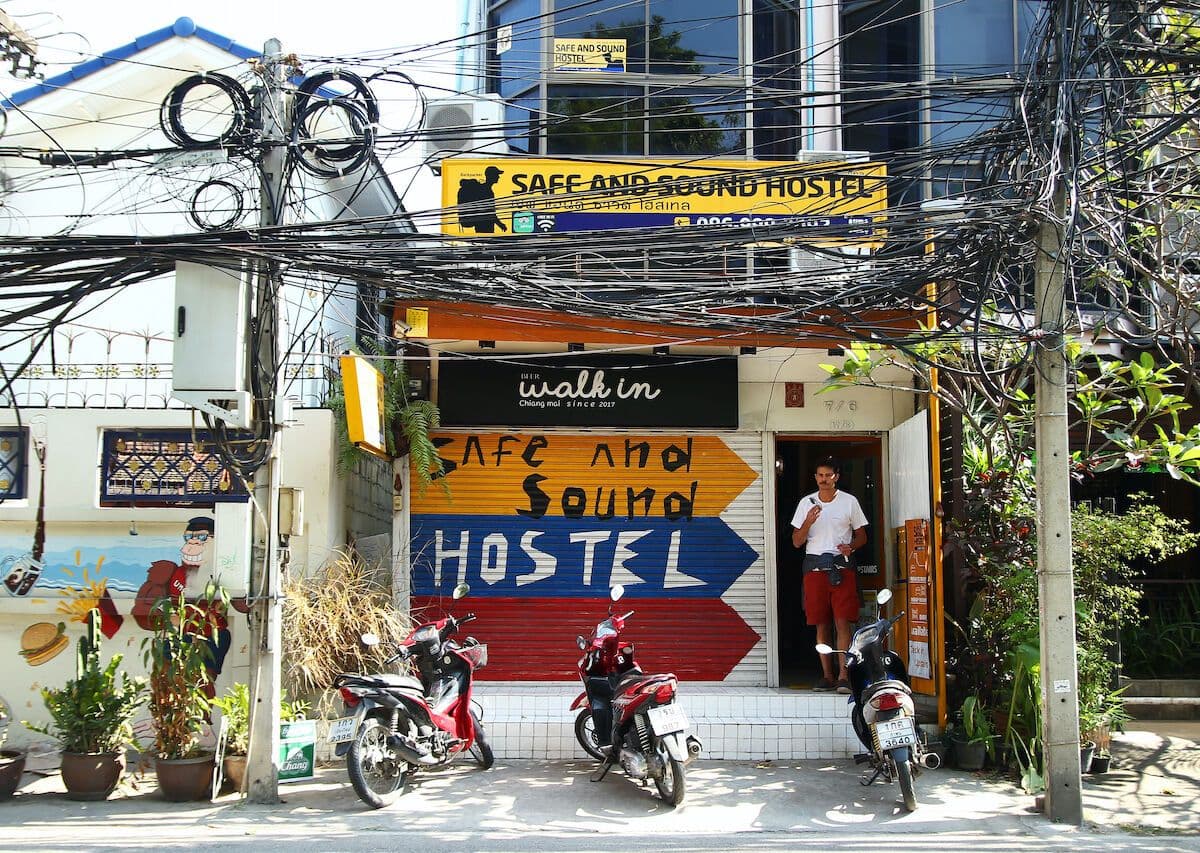
Location decides your demand before you've painted a single wall. A beautiful building in a town nobody visits is a slow, expensive lesson. Start with the destination: is there a steady stream of budget and backpacker travelers, a clear reason people come, a coast, a trail, a nightlife scene, a university, a festival calendar, and ideally demand most of the year rather than a frantic three months and nine dead ones?
Then zoom in. Walkability from the bus or train station matters more than you'd think, tired travelers hauling backpacks do not want a 30-minute trek. Being near the things guests actually came for, the old town, the beach, the bars, the trailhead, lets you charge a little more and market a little less.
- 01
Demand all year, not just peak.
Packed in July and empty in February is a cash-flow trap. Look for shoulder-season reasons to visit.
- 02
Walkable from where guests arrive.
Near the station, port, or main bus stop beats a cheaper spot on the outskirts.
- 03
A clear 'why here'.
Beach, mountains, nightlife, culture, a pilgrimage route, students. If you can't name the draw in one sentence, neither can a traveler.
The building: buy, lease, or convert?
Most first-time owners lease rather than buy. It ties up far less money up front and lets you test the location before you're married to it; a long lease with renovation rights is the sweet spot. Buying gives you control and an asset, but it locks away cash you'll badly want for the fit-out and the first lean months.
Whatever you take on, the layout has to suit shared living: enough bathrooms, a real common space (the heart of any hostel), a kitchen guests can use, and rooms that can hold bunk beds without feeling like a cell. An old guesthouse, a big townhouse, or a small hotel converts far more easily than an office or an apartment.
- Bathrooms are the hidden cost. Shared living needs a sane ratio, roughly one bathroom per six to eight beds. Adding plumbing later is brutal, so get this right up front.
- The common room is non-negotiable. It's where the atmosphere, and your reviews, come from. Don't trade it away for two more beds.
- Check the boring stuff: wiring, water pressure, fire escapes, and whether the building is even zoned for tourist accommodation. A cheap building with bad bones is not cheap.
The real numbers: what it costs to start a hostel
There's no single figure. A 20-bed hostel in a cheap-rent town might open for the price of a nice car, while a 60-bed place in a major city can run well into six figures. The honest way to budget is by category, and to pad every number, because you will go over.
- 01
Lease deposit and first months' rent
, often several months demanded up front.
- 02
Renovation and fit-out
, usually the biggest line: bathrooms, beds, kitchen, common areas, paint, signage.
- 03
Furniture and beds
, sturdy bunks, mattresses, lockers, linen. Buy quality bunks; cheap ones squeak, wobble, and break, and your reviews feel it.
- 04
Licensing, permits and insurance
, more on these in the next section.
- 05
Tech and systems
, your PMS, booking engine, channel manager, Wi-Fi, locks, payments.
- 06
Working capital
, the single most underestimated item. Budget to run for six to twelve months at low occupancy, because you will not be full from day one.
Licensing, permits, and the paperwork nobody warns you about
This part is unglamorous, varies wildly by country and city, and is where DIY optimism quietly goes to die, so get local advice early. The categories are fairly universal even when the names aren't:
- 01
Tourist-accommodation license
, the legal right to host paying guests. Some cities cap or freeze these entirely, so check before you sign a lease.
- 02
Zoning and change-of-use
, the building must be permitted for tourist accommodation. This one can be the deal-breaker.
- 03
Fire safety and building codes
, extinguishers, alarms, escapes, signage, capacity limits. Inspectors take this seriously, and so should you.
- 04
Health and hygiene
, especially if you serve food or run a guest kitchen.
- 05
Business registration and taxes
, including the local tourist or city tax you'll collect from guests and pass on.
- 06
Insurance
, public liability at the very least; property and business-interruption cover are well worth it.
Designing the space: beds, dorms, and the bits that earn reviews
Hostel design is a balancing act: fit enough beds to pay the rent, while keeping the place somewhere people genuinely want to stay. Cram too tight and your reviews tank; spread too thin and the maths stops working. The hostels that win get the basics genuinely right rather than chasing gimmicks.
- Mix your room types. Pure dorms limit who books you. A spread of dorms (mixed and female-only), plus a few privates, widens your market and lifts your average rate.
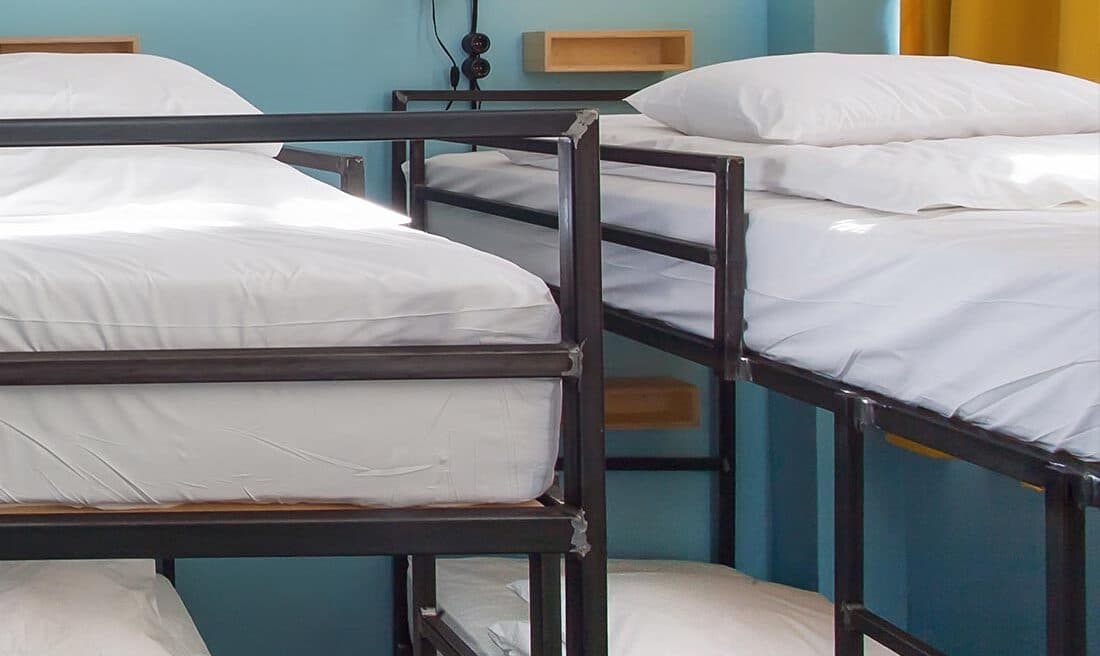
- Invest in the bed itself. A sturdy bunk with a privacy curtain, a personal light, a power socket, and a proper locker is the single biggest driver of good dorm reviews. Guests forgive a lot when their bed feels like a little fortress.
- The common areas do your marketing. A welcoming kitchen, a comfy lounge, a scrap of outdoor space, this is what photographs well and what guests rave about.
- Plan for cleaning and turnover. Durable, wipeable surfaces and a sensible layout make housekeeping faster, and housekeeping is a cost you pay every single day.
Your business model: how a hostel actually makes money
Beds are the core, but the hostels that truly thrive rarely live on bed revenue alone. Once you see the levers clearly, you can price and plan with your eyes open.
- 01
Beds and private rooms
, your bread and butter. Price them with the seasons and events rather than at one flat rate, demand swings hugely.
- 02
Extras and ancillary revenue
, a bar, breakfast, tours, lockers, laundry, bike rental. These often carry fatter margins than the beds, and they're what turn a break-even hostel into a profitable one.
- 03
Your direct-versus-OTA mix
, OTAs get you discovered; direct bookings keep your margin. Getting this balance right is one of the biggest levers you have, and we break it down in OTAs vs direct bookings.
When does a hostel break even?
Break-even is the occupancy where the money from beds and extras covers your fixed costs. Below it, every month loses money; above it, every extra bed sold is profit.
Here's a made-up example, just to show the sum. Say a 30-bed hostel has fixed costs of €9,000 a month (rent, wages, insurance, software) and sells beds at €25 a night, with about €5 of variable cost per guest-night for laundry, cleaning and card fees. Each bed sold leaves €20 toward the fixed costs, so it needs 450 bed-nights a month, 15 a night, to break even: 50% occupancy.
Put your own numbers into the break-even calculator, and read how hostels make money for where the profit actually comes from once you're past that line.
The tech you actually need (and what you can skip)
You don't need a wall of software to open. But a few systems are genuinely load-bearing from day one, because doing them by hand is exactly how overbookings and bad reviews begin. Keep it simple, and make sure the pieces talk to each other. Plenty of hostels open on a spreadsheet, and that works for a while. Just know what moving off the spreadsheet involves before the double-bookings start.
- A hostel-ready PMS, the brain of the whole operation: your calendar, bed-level inventory, guests, payments, and reports in one place. A hostel PMS built for beds, not adapted from hotel software, saves you daily headaches.
- A channel manager, so your beds stay in sync across Hostelworld, Booking.com and the rest, and you stop overselling. It's what prevents the dreaded double-booking.
- A direct booking engine, commission-free reservations straight from your own website. Every direct booking is margin you keep instead of hand over.
- The practical bits, solid Wi-Fi (guests genuinely rate you on it), a clean payment setup, and ideally self or contactless check-in for the inevitable late arrivals.

Getting your first bookings (the scary part)
An empty hostel with no reviews is a chicken-and-egg problem: travelers trust reviews, but you can't earn reviews without guests. The way through is to lean on the OTAs hard at the start, then steadily build demand you own.
- 01
List on the big OTAs first.
Hostelworld and Booking.com are where backpackers actually search. Yes, they take commission, but at the very start that reach is worth every cent, treat it as your marketing budget.
- 02
Chase those first reviews relentlessly.
Deliver a genuinely good stay, then politely ask happy guests to leave a review. Your first twenty or thirty honest reviews are the hardest, and the most valuable, you'll ever get.
- 03
Build direct in parallel.
A fast, simple website with a real booking engine, an Instagram that shows the actual vibe, and a warm pre-arrival message. Direct grows slower but pays far better.
- 04
Win the walk-ins and the word of mouth.
A great atmosphere turns this week's guests into next month's recommendations. In hostels, the product is the marketing.
A realistic timeline (and the mistakes to dodge)
From signed lease to first guest is usually three to nine months depending on how much renovation you're taking on, and it almost always runs longer than planned. A rough shape to aim for:
- 01
Months 1–2:
lock the location, secure the building, and line up licensing and finance. Do not skip the legal homework here.
- 02
Months 2–5:
renovate, fit out, furnish, and quietly set up your systems and OTA listings in the background.
- 03
The month before opening:
soft-launch. Take a handful of bookings at a friendly rate, hunt down the operational gremlins, and train your team on real guests.
- 04
Then open mid-week, not on a peak weekend
, and review everything daily for the first few weeks.
Ready to Manageyour dream Hostel?

Starting a hostel: FAQs
There's no single number, it depends heavily on city, size, and how much renovation you take on. A small hostel in a low-rent town can open for roughly the price of a nice car; a large one in a major city runs well into six figures. Budget by category, lease, renovation, furniture, licensing, tech, and crucially working capital to survive your first six to twelve months at low occupancy. The build cost rarely sinks new hostels; running out of cash before the bookings ramp up does.
Not formally, but you should get some before you commit. Spend a few weeks working or volunteering in a busy hostel first, it's the cheapest, most honest way to learn whether you'll actually enjoy the job and to watch how a well-run place really operates. Hospitality instinct and a genuine liking for people matter far more than a tourism degree.
It varies by country and city, but the universal categories are: a tourist-accommodation license, zoning or change-of-use approval for the building, fire-safety and building-code compliance, health and hygiene permits (especially with a kitchen or food), business registration and tax setup, and insurance. Some cities cap or freeze accommodation licenses, so check before you sign a lease, and get local legal advice early.
It can be, but rarely overnight. Beds alone often just cover the rent; the real profit usually comes from healthy occupancy with smart, season-aware pricing, plus extras like a bar, breakfast and tours, and a strong direct-booking share that dodges OTA commission. Plan for a slow first year while you build reviews and demand.
Typically three to nine months from securing the building to your first guest, depending on how much renovation is involved, and it usually takes longer than you plan. Lock down the location and licensing first, renovate and set up your systems in the middle, then soft-launch quietly before a full opening.
A hostel sells beds, not just rooms, and that changes everything: bed-level inventory, mixed and female-only dorms, shared common spaces, and a social atmosphere that is central to the product rather than a nice-to-have. Your guest is usually a budget or backpacker traveler who cares about vibe and price. It also means your software needs to be built for beds, not hotel rooms, or you'll be fighting your own tools every day.
Ready to plan the operations side? Choose your PMS, channel manager and booking engine before you open, not the week after, and set them up while the paint dries.